



主题: Generative AI and Organizational Structure in the Knowledge Economy
题目:知识经济下的生成式人工智能与组织结构
时间: 2026年3月25日上午8:30-9:30
地点: 管理科研楼第二教室
主讲人: Jing Hou, Postdoctoral Researcher, School of Management, Fudan University
Bio:
Jing Hou is a postdoctoral researcher at the School of Management, Fudan University. She received her Ph. D. degree from the School of Management & Engineering at Nanjing University in 2024. Her research interests include generative AI, fintech, supply chain finance, and livestream commerce.
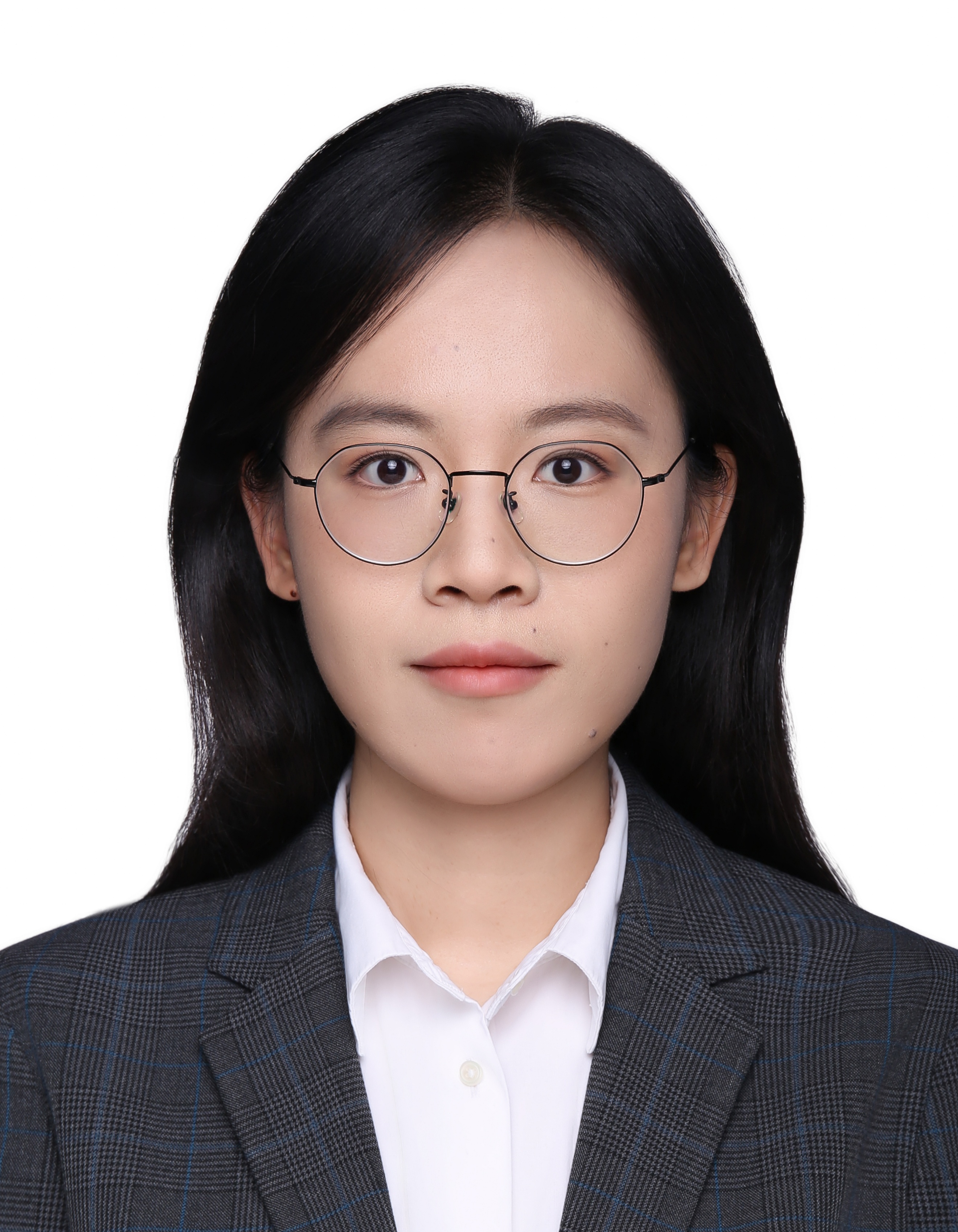
照片:
We develop a theoretical framework to analyze how Generative AI (GenAI) reshapes knowledge-based organizational hierarchies. Our model captures two distinctive features of GenAI: intrinsic fallibility, the tendency to produce authoritative yet incorrect outputs that require continuous human validation, and deployment flexibility, the ability to integrate across deployment modes (automation vs. augmentation) and deployment locations (worker vs. expert level). These two features interact to generate a 2×2 design space whose organizational implications cannot be predicted from traditional technology adoption theories. Our analysis yields three main findings. First, GenAI’s impact on entry-level skill requirements is mode-dependent. Worker-level automation leads firms to hire fewer but more skilled workers to validate AI outputs and reduce costly referrals to senior experts. Worker-level augmentation instead amplifies workers’ effective capability, allowing firms to relax entry-level knowledge requirements while sustaining performance. This distinction suggests that the decline in entry-level employment is not an inevitable consequence of GenAI per se, but is more consistent with deployment choices that tilt GenAI toward automation rather than augmentation. Second, moving GenAI to the expert layer yields a cleaner prediction: expert-level adoption reduces entry-level skill requirements and promotes workforce inclusivity, regardless of whether GenAI is deployed for automation or augmentation. Third, organizational structure evolves non-monotonically as GenAI advances: spans of control first decrease and then increase under all deployment modes, driven by the shifting dominance between direct efficiency gains and indirect workforce restructuring. As a result, demand for senior expertise may remain stable or even increase during the transition, even before hierarchies ultimately flatten. Our research directly addresses calls for theoretical frameworks to understand how GenAI technologies reshape organizational structures and the future of work, while providing practical guidance for stakeholders navigating this transformation.