



主题: Natural Disasters and Human Online Behaviors
中文题目:自然灾害与人类线上行为
时间: 2026年01月12日15:00 - 16:30
地点:管理科研楼第一教室
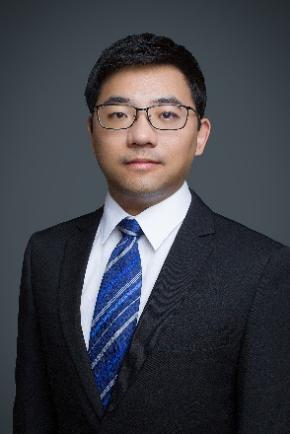
主讲人: Haifeng Xu, Associate Professor, Shanghai Jiao Tong University
Bio:
徐海峰现在担任上海交通大学安泰经济与管理学院信息、技术与创新系副教授。他博士毕业于新加坡国立大学信息系统与分析系,本科毕业于复旦大学计算机科学与技术系。他的主要研究方向为人工智能、社交媒体、电子商务、智慧医疗和互联网金融。他曾经在包括MIS Quarterly (MISQ), Information Systems Research (ISR), Journal of Marketing (JM), Journal of International Business Studies (JIBS), Production and Operations Management (POM), Journal of the Academy of Marketing Science (JAMS), Research Policy (RP), Journal of the Association for Information Systems (JAIS) 和Journal of the American Medical Informatics Association (JAMIA)在内的国际学术期刊上发表论文。他现在担任国际学术期刊Information Systems Journal的客座副主编和Journal of Database Management的编委。同时,他也担任国际学术会议ICIS的Associate Editor和PACIS的Track Chair。他主持国家自然科学基金面上项目和上海市浦江人才项目。他曾获得上海交通大学青年教学竞赛三等奖、安泰青年教学竞赛二等奖和最受MBA欢迎教师奖。
Abstract:
Natural disasters not only cause physical and economic devastation but also reshape human online behaviors. This study explores how natural disasters influence individuals’ prosocial microlending decision-making. Previous studies have investigated how various factors influence prosocial microlending decisions under normal circumstances. Nevertheless, a natural disaster may result in a situation where lenders can hardly find appropriate loans from the disaster-affected region. When faced with the mismatch between the supply and demand of microloans, lenders can either simply choose not to make any contributions or divert their prosocial intentions towards a different group of beneficiaries. Using a natural experiment based on the Ebola outbreak in Africa, our research shows that a natural disaster increases (over the short-term) the average contribution size and decreases (over the long-term) the average fundraising time per dollar for prosocial microloans by borrowers from regions closer to the affected region. In contrast, a natural disaster decreases (over the long-term) the average contribution size and increases (over the long-term) the average fundraising time per dollar for prosocial microloans by borrowers from regions further away from the affected region. This redistribution of prosocial microlending is an unintended consequence of a natural disaster that inflicts long-term economic hardship in some regions. Policymakers and researchers should closely monitor the redistribution of prosocial microlending resulting from a natural disaster so that prompt action can be taken to alleviate potential negative consequences that may arise.