



Title:Leveling up without Breaking down: Strategies for Success under Stress
中文题目:精进而不失衡:压力情境下的成功策略
时间: 2026年9月1日 上午9:00-10:30
地点:管理科研楼一楼第二教室
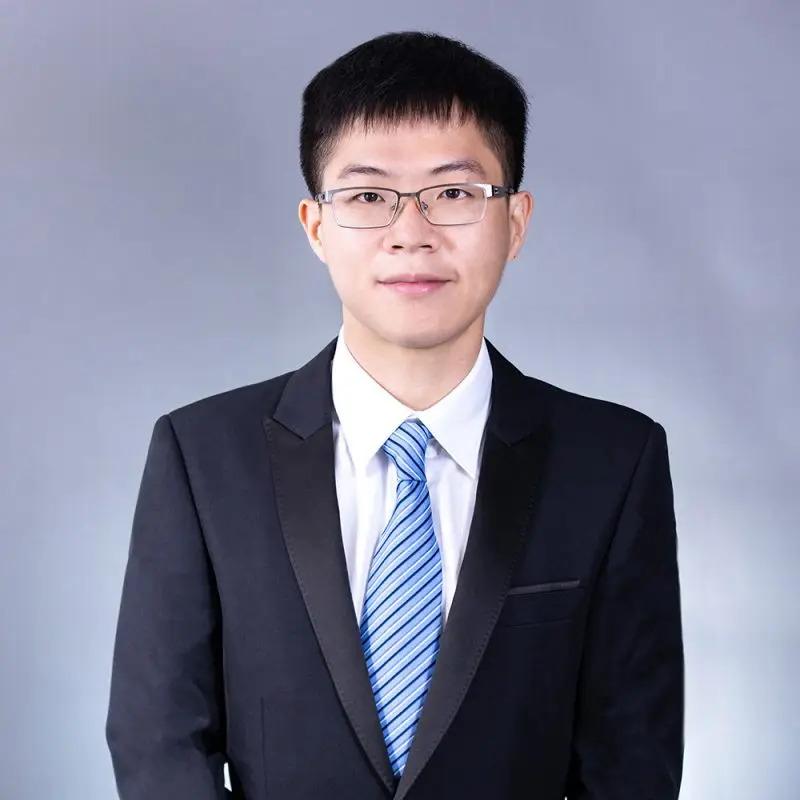
主讲人:Zhengli Wang (HKU)
Bio:
Zhengli Wang is an assistant professor from the Business School of the University of Hong Kong. His research focuses on sequential decision-making or experimentation, with applications in entrepreneurship, healthcare and platform operations. He obtained his PhD in Operations, Information and Technology from Stanford University, Graduate School of Business. He has published papers in leading academic journals such as Manufacturing & Service Operations Management, Operations Research and Proceedings of the National Academy of Sciences.
This paper studies how to reach an ambitious goal when the effort that drives progress also generates stress. Higher effort accelerates skill acquisition but raises the stress level, and with it the risk of a burnout that ends the pursuit---a trade-off faced by individuals acquiring critical skills and by organizations implementing change, from product transitions to mandates for AI adoption. Using an exchangeability technique that compares alternative sequences of effort choices, we characterize the optimal effort trajectory. The optimal policy takes one of four forms---surge, rest-then-surge, phased escalation, or high-intensity intervals---depending on the ambition of the goal and the initial stress level. Optimal strategies feature preemptive stress management and, notably, planned strategic retreats: temporarily scaling back effort, as when firms roll back aggressive technology-adoption targets or athletes build rest days into training plans, is not a failure of execution but can be part of the optimal path. When a manager paces an employee who may quit for an outside option, the same policy remains optimal for the manager.